Sexually Transmitted Diseases (STDs)—also known as Sexually Transmitted Infections (STIs)—are infections passed from one person to another through sexual contact. STDs can affect anyone who is sexually active, regardless of gender, age, or sexual orientation.
Being informed about STDs is the first step toward protecting your health and your partners’.
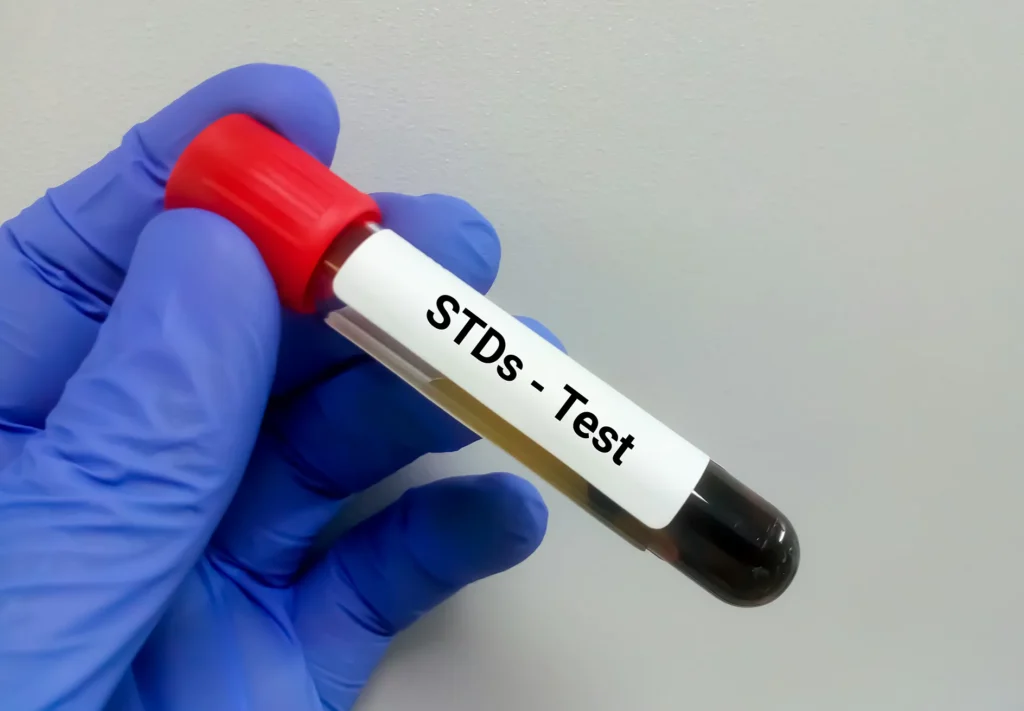
What Causes STDs?
STDs are caused by bacteria, viruses, or parasites that are transmitted through vaginal, anal, or oral sex. Some can also be passed through skin-to-skin contact or blood.
Common STDs include:
- Chlamydia
- Gonorrhea
- Syphilis
- HIV
- Herpes (HSV-1 and HSV-2)
- HPV (Human Papillomavirus)
- Trichomoniasis
- Hepatitis B
Symptoms of STDs
Some STDs have no symptoms at all, which is why regular testing is important—especially if you have new or multiple partners.
When symptoms do occur, they may include:
- Painful urination
- Unusual genital discharge (clear, white, yellow, or green)
- Genital sores, ulcers, or warts
- Itching or irritation around the genitals
- Lower abdominal pain
- Swollen lymph nodes
- Flu-like symptoms (especially with HIV or syphilis)
Note: Many STDs can remain hidden in the body and lead to serious complications if left untreated, including infertility, chronic pain, and increased risk of HIV.
How Are STDs Spread?
STDs can be spread through:
- Unprotected vaginal, oral, or anal sex
- Skin-to-skin contact (e.g., herpes, HPV)
- Sharing needles or drug equipment
- Blood transfusions (rare with modern screening)
- From mother to baby during childbirth (certain infections like syphilis or HIV)
How to Prevent STDs
Protecting yourself from STDs involves a few simple but effective steps:
1. Use Protection
Always use condoms or dental dams during sexual activity, especially with new or casual partners.
2. Get Tested Regularly
Even if you have no symptoms, regular STD screening is key. Early detection means better treatment and less risk of spreading the infection.
3. Limit Number of Sexual Partners
Reducing the number of sexual partners can lower your risk of exposure to STDs.
4. Avoid Sharing Needles
Never share needles or syringes, whether for drugs, tattoos, or piercings.
5. Open Communication
Talk to your partner(s) about sexual history and testing before becoming intimate.
Need STD Testing in Phuket? Visit Doctor Karon Clinic
If you’re sexually active, especially while traveling, regular screening is important—even if you feel perfectly healthy.
At Patong Medical Clinic, we provide confidential, professional STD testing and treatment for locals, expats, and tourists visiting Phuket.
Our STD Services Include:
- Discreet, walk-in testing for HIV, syphilis, gonorrhea, chlamydia, and more
- Same-day consultations with licensed doctors
- FDA-approved medications and guidance
- English-speaking medical team
- No judgment, private treatment rooms, and results you can trust
Whether you’re worried about a recent exposure or just want peace of mind, we’re here to help—quickly and confidentially.
Contact Patong Medical Clinic
Address: Near Patong Beach, Phuket
Operating hours: Open daily